Celebrating Wonder: Nature in the Art Lab Classroom
- Julia Mandle

- Apr 16
- 4 min read

At Art Lab Amsterdam, one of the most important things I hope to nurture in children is a sense of wonder.
Not only in the big, exciting moments—but in the quiet, everyday details of the world around us. The changing seasons, the color of a flower, the texture of fur, the way light moves across a page.
To me, this is one of the most meaningful parts of being human: to be here, on this planet, and to notice.

This theme has been gently present throughout the entire winter–spring season. Even in the darker months, when nature seems quieter, we look more closely. We drew owls with glowing eyes and soft feathers, discovering how darkness itself can hold mystery and beauty.
Now, as spring arrives, that sense of wonder becomes more
visible, more colorful, more alive.

Each day, something new appears outside. A flash of yellow. A sudden bloom of pink. Fresh greens returning to the landscape. The children notice it immediately, often before I even say a word. That shared moment—“Did you see that?”—is where the artwork begins.

In the studio, we’ve been exploring these spring colors through painting, using special fan brushes and a variety of brush shapes that invite a more playful, expressive way of working. The goal is not to copy a flower exactly, but to feel how it grows, how colors blend into one another, how movement can live inside a painting.


In part, this was inspired by the exhibition Yellow at the Van Gogh Museum, where color becomes something emotional—almost alive.
Curiosity, Creatures, and “Oohs & Aahs”
Alongside this, we’ve continued our exploration of animals—especially those that spark curiosity and surprise.

One of the children’s favorite moments was discovering the star-nosed mole, an extraordinary creature that looks almost otherworldly. In a short film, we watched it dig through the earth, and the room filled with amazement. From there, the children translated that feeling into their drawings, using glow-in-the-dark pastels to highlight its unique features and experimenting with techniques to create soft fur.
I shared with the children the example of Beatrix Potter —how she observed animals so carefully from a young age, and how those observations later became beloved stories.
It helps the children see that their own curiosity can be the beginning of something meaningful.
Growing Observation: The Older Children
With the older children, this sense of wonder expands into a deeper study of structure and form.


Alongside their imaginative work, they are learning to observe more closely—studying the human skeleton, understanding how the body moves, and translating that into drawing. To bring this to life, we looked at the work of Jakob Grosse-Ophoff, an engineer and artist who creates fascinating wooden sculptures of articulated arms that gently move and even “hug” the viewer. The children were both amused and intrigued by these playful, mechanical bodies, which opened up a new way of thinking about movement and structure.
From there, we explored the hand in detail—first by drawing hands shaped like the sign language letter of each child’s name, and then by building our own articulated cardboard hands. Step by step, using recycled materials, the children created movable “robot” hands, with joints that could bend and shift by pulling strings. It became a joyful combination of art, engineering, and discovery.

We then turned to the full human figure. Inspired by painters such as Claire Tabouret and Jas Knight, the children explored how to depict the body with both structure and expression. They posed for one another in simple life drawing sessions—sometimes wearing hilarious costumes and also holding imaginary phones, as in Knight's paintings—observing how the body shifts, bends, and carries energy.
Using glow-in-the-dark materials, they experimented with how light affects the figure, while costumes added a playful and theatrical layer to the process. In this way, careful observation and imaginative expression came together, allowing each child to deepen both their skill and their creative voice.

Weather Wonder
Even in the darker winter months, wonder doesn’t disappear—it simply changes form.
Earlier this season, we explored owls using glow-in-the-dark materials to capture the quiet magic of nighttime. We l also looked at an amazing artwork about snow and rain- one called the Rain Room- and took time to play with diffferent ways to represent snow and rain on paper. The children discovered that rain and darkness can also be a source of creativity—full of fun, mystery, and imagination.
♻️ Nature Teaches Us to Reuse and Reimagine
As the season comes to a close, we shift again—this time into transformation and play.
Inspired by Shaun the Sheep, the youngest children will create sock puppets using recycled materials and those familiar single socks that seem to appear in every home.
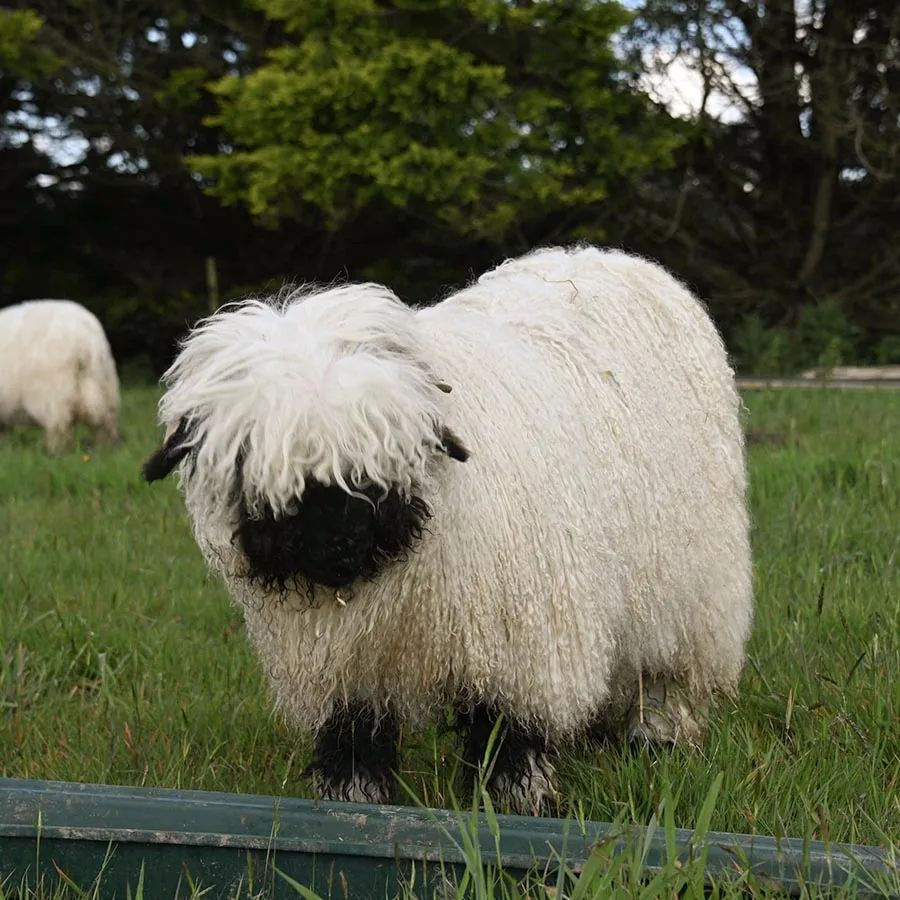
It’s lighthearted and joyful, but also meaningful. Creativity doesn’t always begin with something new—it begins with seeing differently.
☀️ Looking Ahead: Art in the Open Air (May–June)
As we move into the upcoming May–June season, this connection to nature will become even more central.
We will step outside as much as possible—working in the lush community gardens at our De Pijp location or in IJburg at FactorIJ exploring the nearby park.

The children will experiment with cyanotypes—sun prints created with natural materials—working directly with light itself. We’ll collect leaves, notice textures, explore color through the lens of the season, and allow the environment to guide the creative process.
🌍 Why This Matters
Because ultimately, what I hope each child carries with them is this:
Not just how to draw or paint,
but how to keep noticing, feeling and
staying open to the world around them.
I feel strongly that that sense of wonder is something worth protecting—and celebrating!
🌿 Join Us This May/June
Our upcoming May–June season will be the final Art Lab term of the school year before the summer holidays—a short and special series of just 7 classes.
It’s a beautiful moment in the year to create together. As much as the weather allows, we’ll be working outdoors—drawing, observing, and gathering inspiration directly from nature.
We’ll begin the season with a favorite ritual: designing our new sketchbooks this time with graffiti-style covers -setting the tone for a fresh and expressive start.
If you would like your child to be part of this joyful, nature-filled final chapter of the year, there are still a few places available, and you are very welcome to join us...


Comments